Someone on TikTok recently commented, "I'm glad you're not my mom." Which made me stop and wonder: am I really that unhinged?
If you're new here, I'm Christine. I talk about frugal, mindful living with a splash of eco-friendly. We live off one modest income, paid off our home in seven years, and raised two kids along the way. Now that they're 16 and 18, I'd do it all over again. Here are the frugal parenting choices that cause all the controversy. You be the judge.
Why it started with aligning on money
Both my parents and my husband's parents are immigrants. Mine are from Mauritius, and his are from Vietnam. We were each raised with money always in mind, and that shared outlook was a big deal when we got together.
We married young, and my husband was on a modest starting salary. I was an actress, going to lots of auditions but not working all the time. Daycare would have cost more than I was earning, and I wanted to raise my kids anyway, so I stayed home. We also wanted to pay off the house quickly instead of carrying a mortgage for 25 years.
I truly believe it's important to choose a partner who is aligned with you on money. If one person is a spender and the other is a saver, I can imagine a lot of fights, especially with kids in the picture.
A quick note: this is simply my experience. I'm not saying it's better, or that you should raise your kids this way. It worked for us and for our personalities.
Secondhand everything (and nobody minded)
When the kids were babies, we never said no to secondhand. Clothes, toys, all of it was pre-loved. Babies outgrow things in a month or two, and they live in onesies and pajamas anyway. Buying new jeans for a two-month-old made no sense to me.
The toys were secondhand too. A neighbor closed her daycare and gave us some of her toys, and I wrapped them up and gave them out on special occasions. They weren't new, but they were new to the kids, and they were thrilled.
Anything can be a toy, really. Pots and pans. Old cookie boxes turned into drums. I once made a fake camera out of an egg carton and a toilet paper roll, and my son thought he was the coolest kid alive.
Our kids didn't watch much TV, so they weren't bombarded with commercials telling them to get the latest set of whatever. We also taught them the difference between a want and a need. When they asked for something at the toy store, the answer wasn't automatically yes. They learned they can't have everything they ask for, and the occasional treat felt special.
Slow childhoods and free fun
My own childhood was the opposite. I was a competitive figure skater, and there was a lot of pressure to perform in school and on the ice. I didn't want that stress for my kids.
So we skipped most extracurriculars. I wanted them to be bored, because boredom is where kids learn to play together and figure out what they enjoy on their own terms.
We leaned on free activities instead. The library was our second home: Lego Fridays, a free multi-week robotics class, and an endless supply of books, games, and music to borrow. We went to neighborhood festivals and free music shows. At school, lunchtime programs like cooking, embroidery, and Zumba were the few things we happily paid for, and they meant we didn't have to spend weekends driving from activity to activity. I wanted our weekends to be for family and downtime.
I know some parents swear that sports teach kids lessons nothing else can, and I get it. Skating taught me discipline and hard work. But I believe those lessons can be learned at home, through the things kids love. My kids are very disciplined about making videos every week, and my oldest was monetized on YouTube at 13.
Chores, and no, I don't pay for them
This one is probably what made people on TikTok say they wouldn't want me as their mom.
At around 3 and 5 years old, I started giving the kids chores, and they treated it like playtime. They started with plastic knives and soft fruits and vegetables, and eventually learned to use a real knife. They learned to clean their rooms, cook, and clean their own bathroom. Even now, with my oldest busy at college, they help me make dinner every weekend.
I don't pay them for chores. They live here. It's a privilege to live in a house that's paid for, and the least they can do is help take care of it. One person doing everything is stressful. Everyone doing a little is far more relaxing.
My job as a parent is to raise responsible adults. Boys or girls, they should be able to cook for themselves, clean up after themselves, and wash their own clothes. No one is going to pay them to make their bed when they're grown.
No keeping up with the trends
We didn't spend money just to keep up with everyone else. I wear a lot of my mother-in-law's clothes, and my kids wear hand-me-downs from relatives. They don't dress in trendy Gen Z fashion, and they don't ask for it. They see clothes as functional, the same way I do. Our values really did trickle down.
Simple vacations
We didn't do expensive vacations every year. When the kids were small we went to cottages and Airbnbs with the grandparents, but most summers we stayed home, swam in our condo pool, and enjoyed free activities around town. It was relaxing, and the kids didn't have to think about school.
A family of four flying somewhere can easily top $10,000. Now that the house is paid off, we do fly occasionally. The kids took their first flight at about 14 and 16, and they loved it. They also understand it's expensive and not something we do every year. If they want to see the world when they're grown, they can, with their own money.
Cooking at home
Food is probably where we spend the most, and we don't skimp on quality. I only cook one real meal a day: dinner. Breakfast is nearly the same every day, and lunch is last night's leftovers. My dinners cost about $2 to $3 per person, and we eat really well. I have a whole video on those dinners if you want the details.
We have good appliances, and honestly I can make better food at home than we'd get at a restaurant, and feed more people for less. My kids love home-cooked meals and even like bringing them to school.
Teaching teens to handle money
We've been putting money into a university fund for each of our kids since they were born. When our oldest turned 18, we handed him the whole thing to manage himself. I know that's risky. But he's been earning his own money since he was 13, and he's responsible. He pays for his bus pass, tuition, and books from that fund, and he's still earning through YouTube. If he blew it, well, he couldn't go to school, but so far he's right on track. We'll do the same for our younger son when he turns 18.
Giving kids responsibility with money early means their mistakes are smaller ones. I'll never forget walking into my son's room, asking what he was paying for, and hearing, "School. With my credit card."
A tip even if your kids don't earn money: if they really want something, consider paying half and letting them pay the other half, even if you could afford all of it. When my son wanted a new computer setup, he bought it himself, and he takes great care of it. A free laptop I gave him broke within months. The one he bought is still going strong.
The long-term result
Our kids can clean their bathrooms, cook, and pay their own bills. They think before they buy, asking whether a purchase is actually worth it. That's everything I could ask for. Living frugally didn't just save us money; it brought us closer and taught our kids real life skills.
When I asked them what it was like growing up with frugal parents, they said it was just regular life.
Track your money like we did
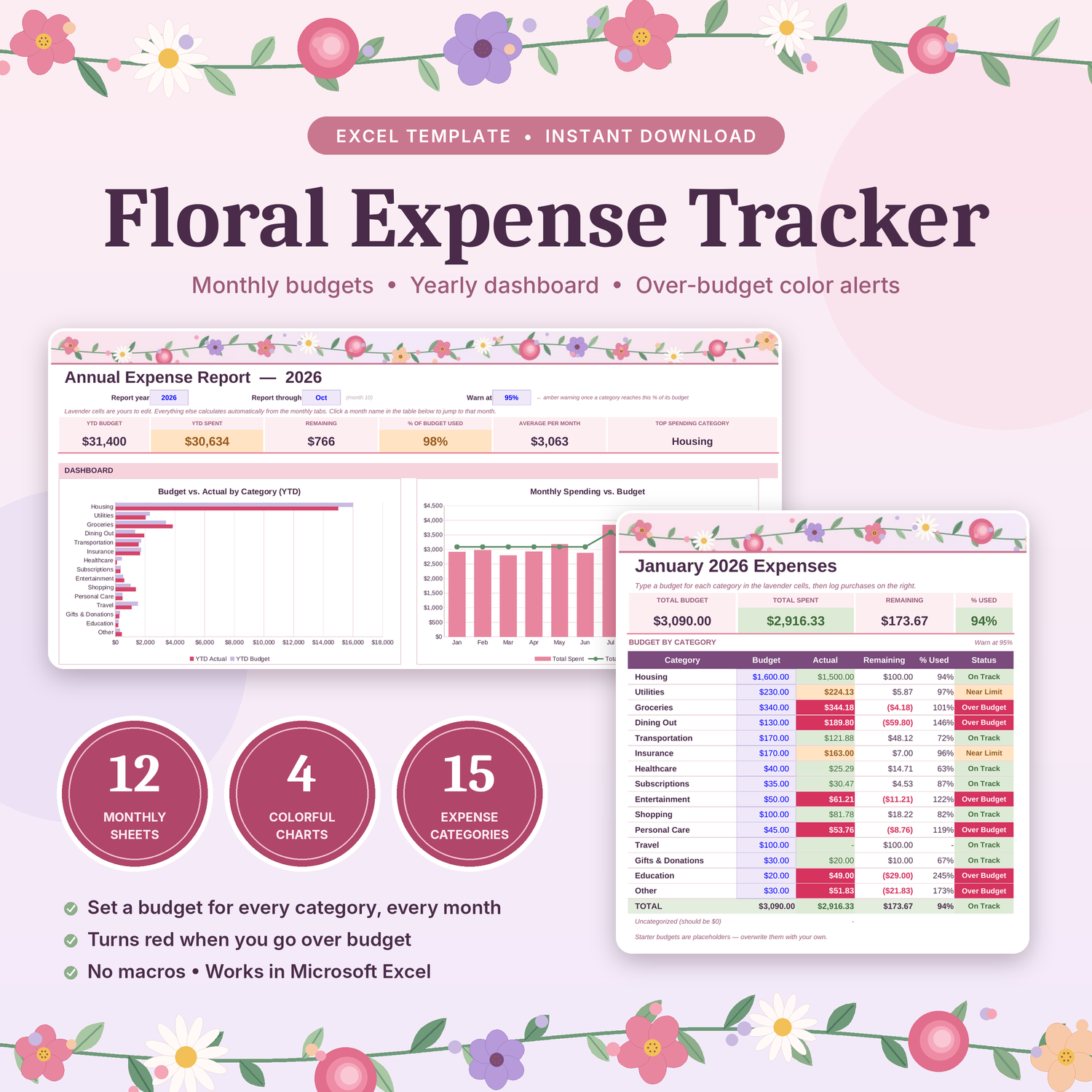
We've used a budgeting spreadsheet since the day we got married, and it's a big reason we paid off our mortgage in seven years. If you want to hit your financial goals, tracking your expenses is key. I've made a copy of my template available (the link is in the description or below), and every purchase helps support this channel.
