10 Intentional Swaps That Quietly Save Us Hundreds Each Year
I get asked this question a lot: what’s one item you own that actually saves you money?
When I sat down and looked at our home honestly, I realized it isn’t one big dramatic change. It’s a handful of intentional swaps that we use every day. Nothing extreme. Nothing that makes life harder. Just choices that quietly add up.
On the low end, these swaps save us around $600 a year. On the higher end, it’s closer to $1,000–$1,200. And most of them are things you may already be doing.
Let’s start where savings tend to hide in plain sight: the kitchen.
Cast Iron Pans
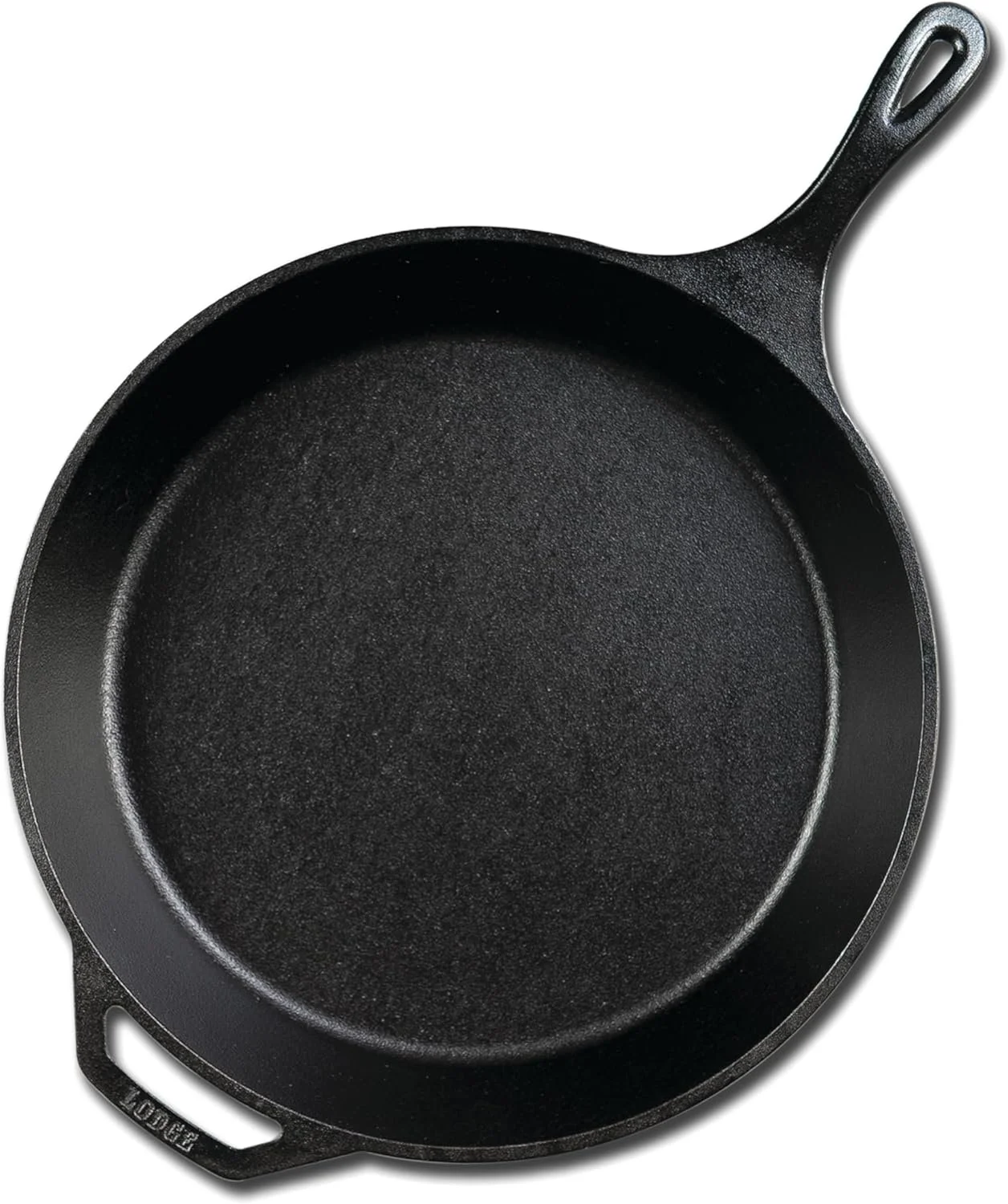
Cast iron pans cost about $30–$50, and once you own them, you’re done buying pans.
Before switching, I replaced nonstick cookware every couple of years because it scratched or warped. Cast iron is naturally nonstick when cared for properly and works beautifully for everyday cooking like eggs, pancakes, and vegetables.
I wash mine with hot soapy water, dry them right away, and rub on a thin layer of oil. Simple care, decades of use.
Beeswax Wraps
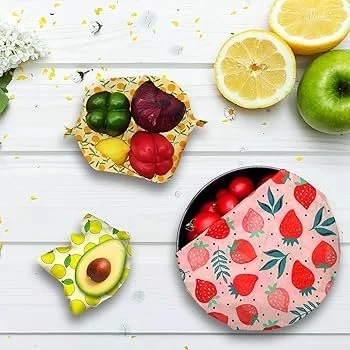
A set of beeswax wraps usually costs $10–$20 and replaces plastic cling wrap entirely.
We use them for snacks, leftovers, and food on the go. They’re easy to wash, easy to reuse, and when they lose stickiness, you can refresh them with a little melted beeswax.
Unlike cling wrap, which is constantly repurchased and thrown away, these get used again and again.
Reusable Food Containers
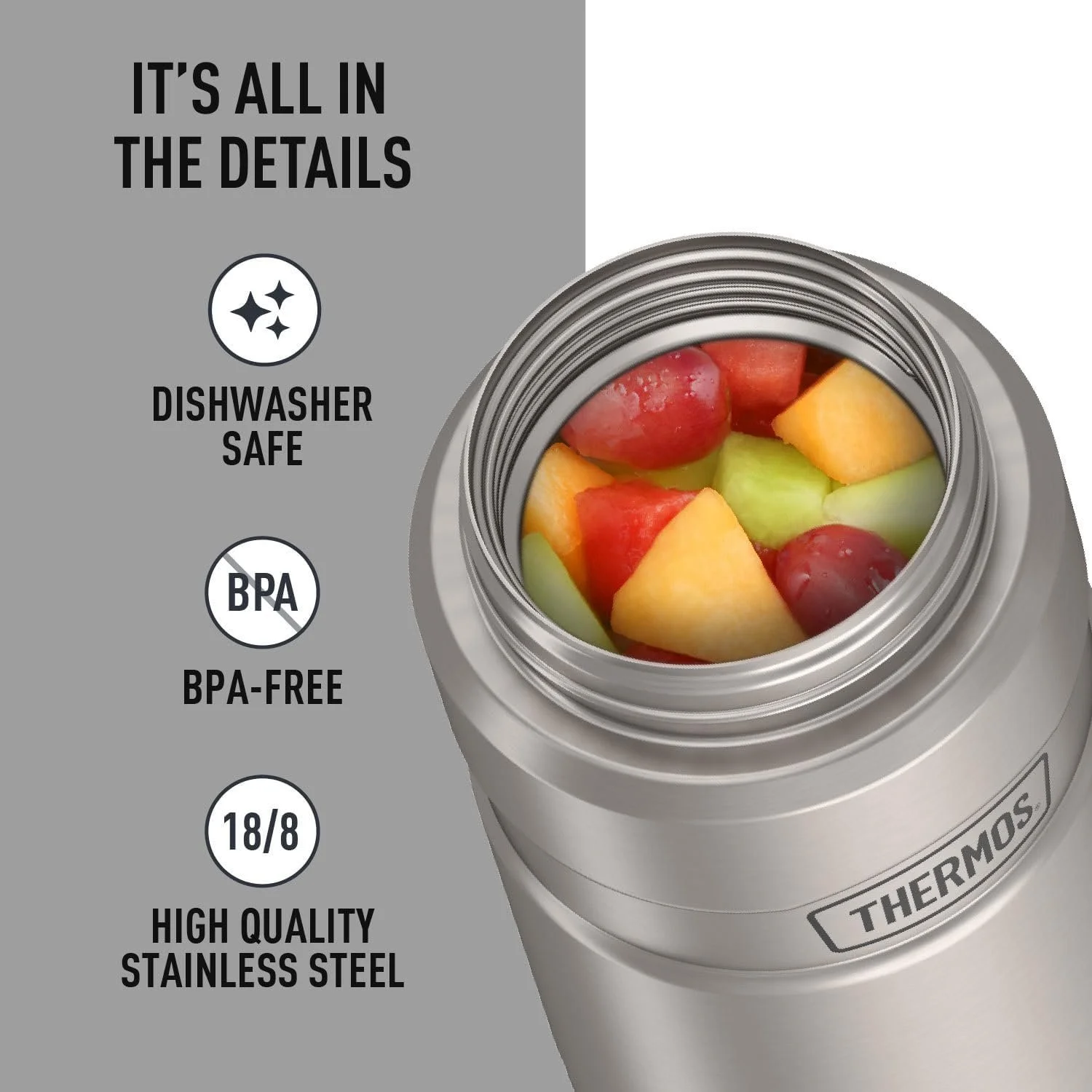
This is one of the biggest money savers in our home.
Insulated food containers cost around $30–$60, but packing lunches instead of buying food out adds up quickly, especially with kids. Bringing food from home can save $150–$300 a year in lunches alone.
I also bring a smaller one when I’m out for long days or conferences. Warm food, no impulse spending, no waste.
Refillable Water Bottles and Travel Mugs
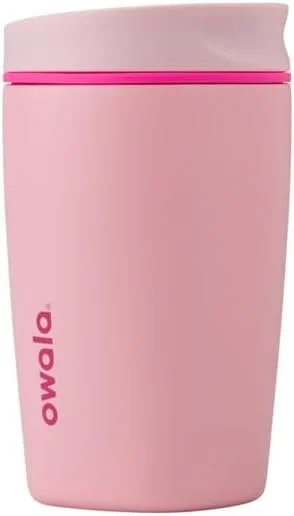
Buying drinks out doesn’t feel expensive until you add it up.
Reusable bottles and mugs usually cost $20–$40 and last for years. Having one in my bag means water, tea, or coffee is always available.
This small habit alone can save $60–$100 a year, often more.
Sourdough Starter
This might be my favorite swap.
A sourdough starter is free if you get it from a friend, or about $20 if you buy one. As long as you feed it, it keeps going.
I bake about two loaves a week using just flour, water, salt, and starter. It replaces store-bought bread packaged in plastic and tastes better than anything we used to buy.
Between ingredients and energy costs, making our own bread saves us about $50–$150 a year.
Silicone Baking Mats and Sourdough Sling
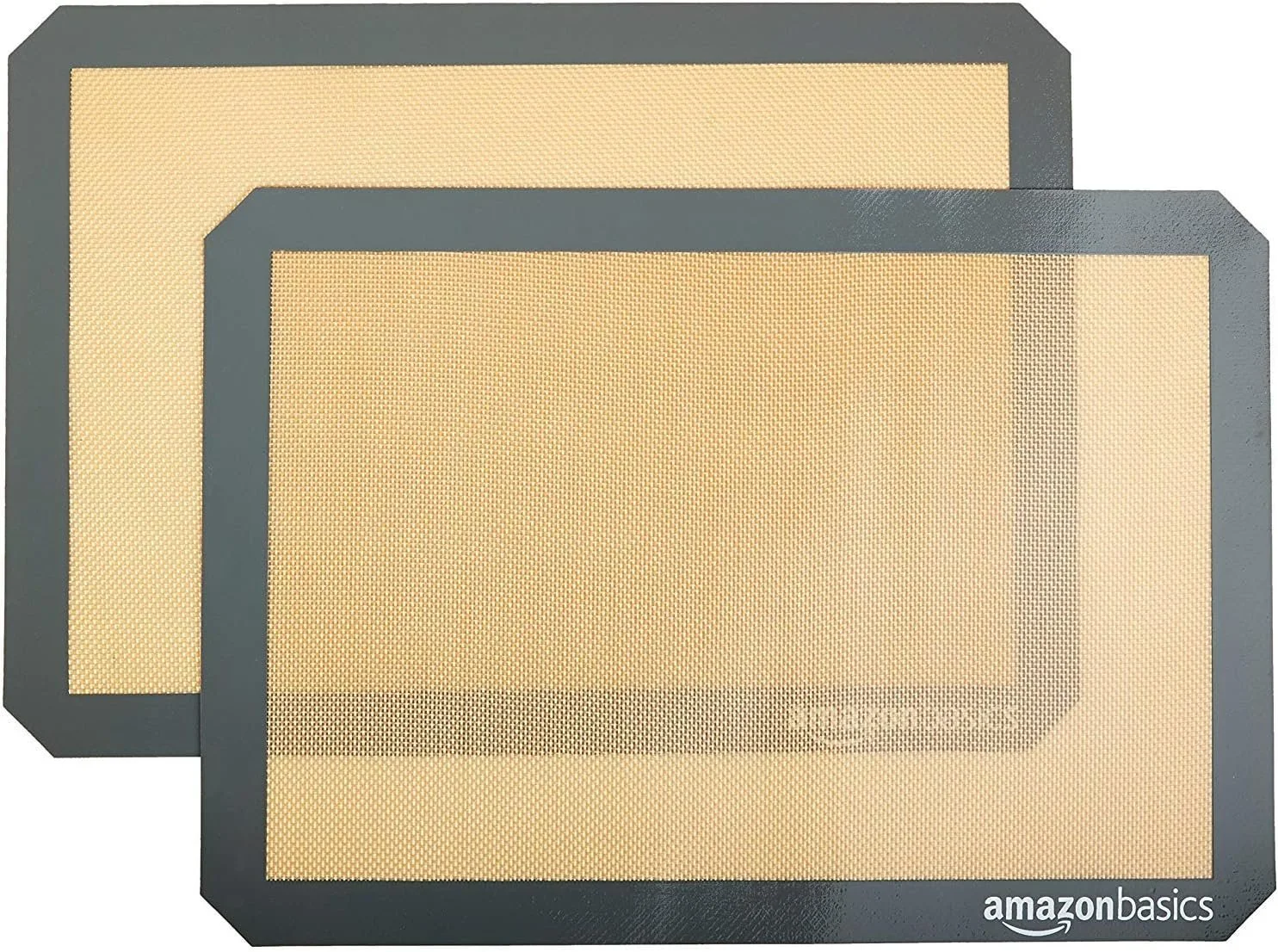
Silicone baking mats cost about $15–$20 and last for years.
They replace parchment paper and aluminum foil completely. I use a sourdough sling to lift bread safely from the pot and another mat for baking fries or cookies.
No disposables, no constant repurchasing.
Quiet Savings in the Bathroom
Bidet Attachment
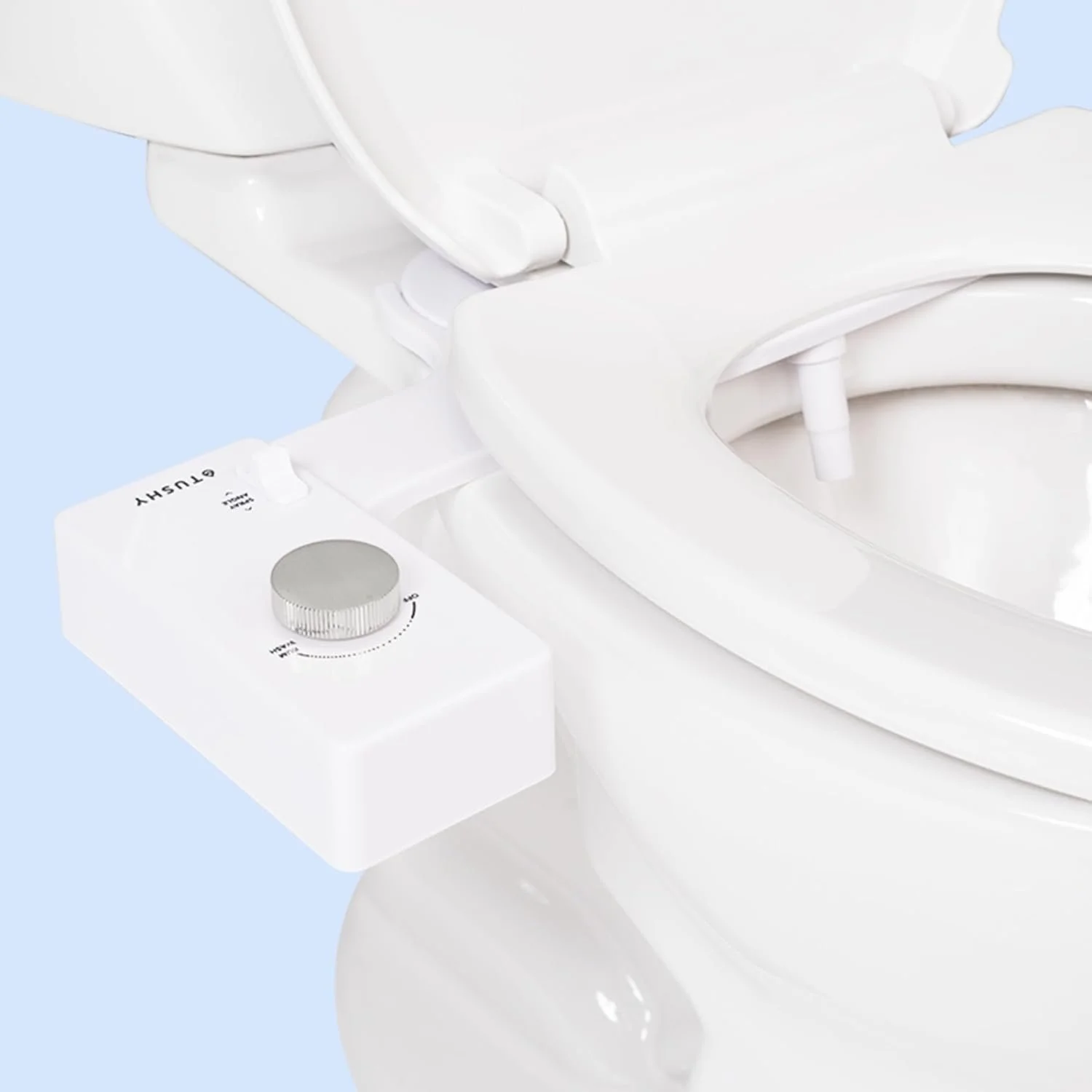
A bidet attachment costs around $100, and it’s one of those purchases that pays for itself.
Before installing one, we were using one to two rolls of toilet paper a week. Now it’s closer to one or two rolls a month.
That works out to about $80–$160 a year saved on toilet paper alone.
Bar Soap, Solid Shampoo, and Conditioner
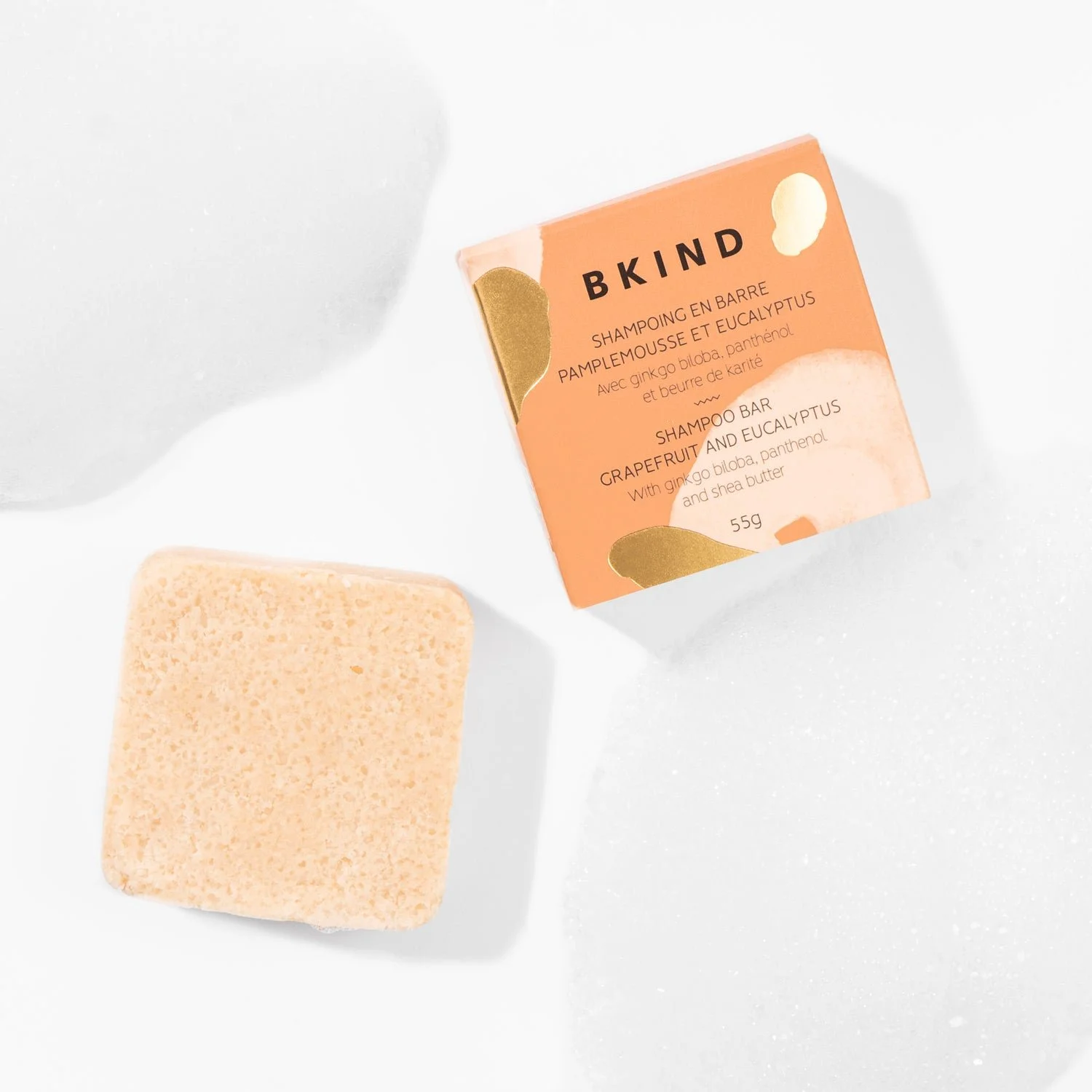
Liquid soap is about 80% water, which means you’re paying for packaging and filler.
Bar soap, shampoo bars, and conditioner bars are more concentrated and last much longer. One shampoo bar can last me up to seven months, depending on the brand.
To extend their life even more, I store them outside the shower in a soap saver dish.
This simple switch saves around $50–$100 a year and reduces plastic waste at the same time.
Menstrual Cup or Disc
Menstrual cups or discs cost about $30 and can be used for years. Many people use the same one for eight years or more.
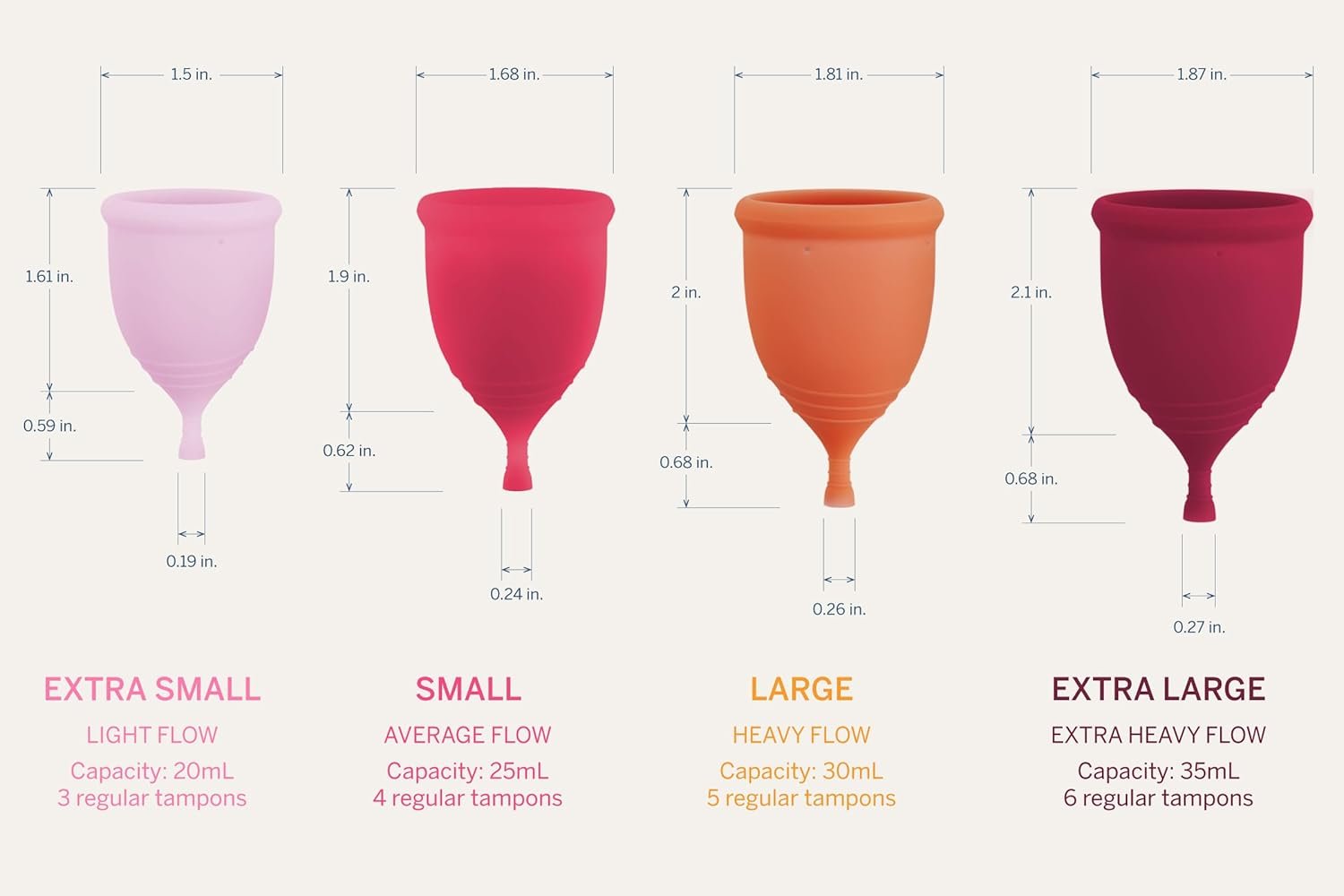
The average menstruator spends around $150 a year on disposable products. A reusable option replaces that recurring expense entirely.
They’re also practical for travel and swimming, which makes them even more convenient.
Period Underwear
If cups aren’t for you, period underwear is another long-term option.
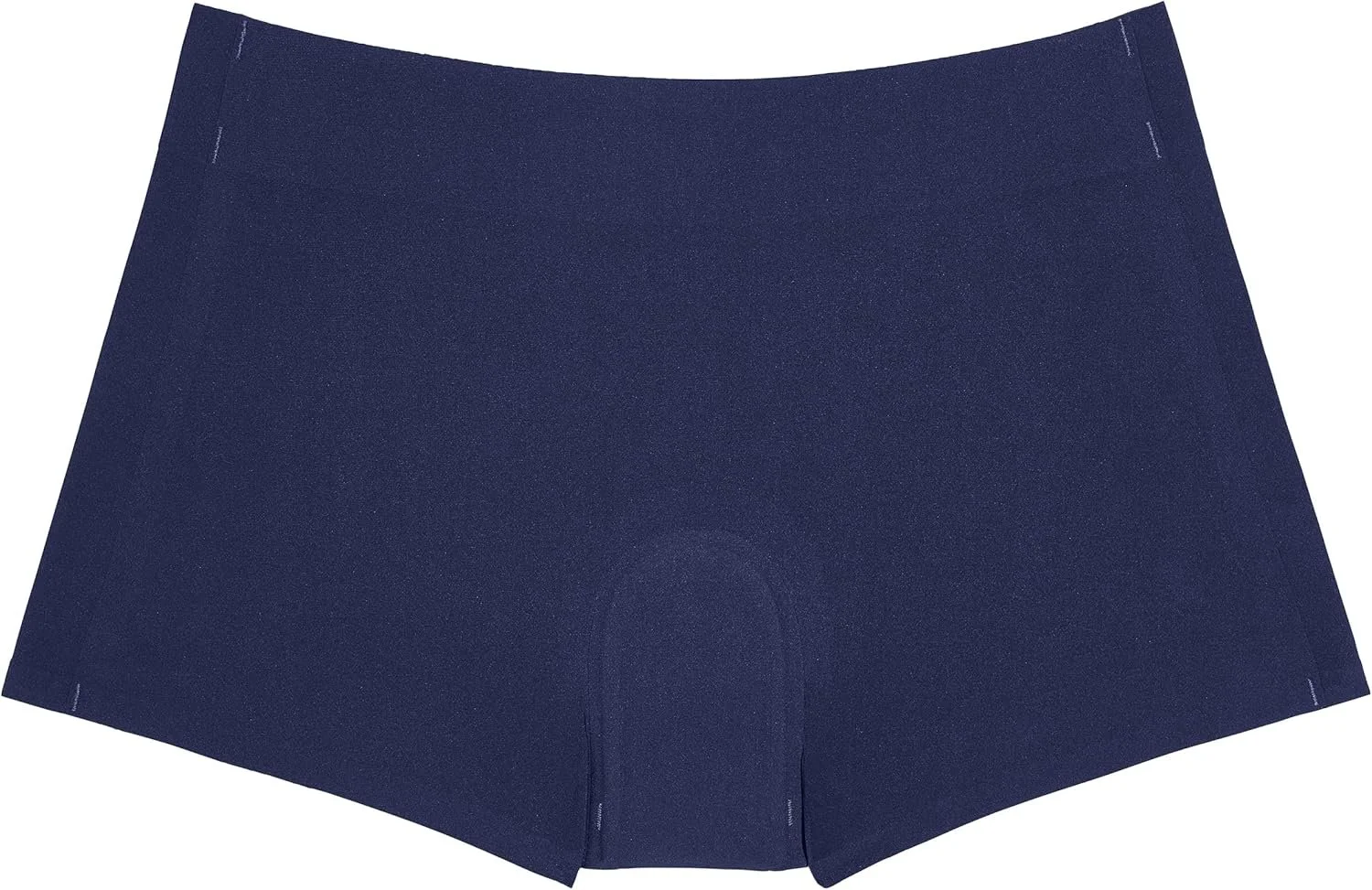
Each pair costs about $30–$50, and having three or four pairs on rotation is usually enough. You wear them, wash them, and use them again.
Like menstrual cups, they pay for themselves quickly compared to disposables.
The Takeaway
When you add everything up, these swaps can save anywhere from $600 to over $1,200 a year.
But the goal isn’t to do everything. It’s to choose what fits your life.
Intentional living isn’t about perfection or restriction. It’s about using what you have, buying less, and letting small decisions quietly work in your favor.
Link to all the products that save me money yearly!
https://benable.com/ecoamical/eco-friendly-products-i-actually-use-to-save-hundreds-at-home
*This post contains affiliate links. If you purchase through these links, I may earn a small commission at no additional cost to you. These commissions help support my work and keep this site running.
